Last Updated on July 23, 2026 by ellen
Waiting for a doctor’s appointment with kids can feel like a lot longer than it really is.
Posts may be sponsored. This post contains affiliate links, which means I will make a commission at no extra cost to you should you click through and make a purchase. As an Amazon Associate I earn from qualifying purchases.
Even a 15-minute wait can seem endless when you have a bored toddler, an impatient preschooler, or a child who is already nervous about seeing the doctor.
The good news is that you don’t need to pack a giant bag of toys to keep kids entertained in a doctor’s office waiting room. A few small activities, quiet games, and creative ideas can make the wait easier for everyone.
Whether you’re looking for things to do while waiting at the doctor’s office, activities for a long wait, or ways to help a child feel less anxious before an appointment, these ideas are easy to try.
Table of Contents
Why It’s Helpful to Have Activities for the Doctor’s Waiting Room
Doctor’s offices are often designed for waiting, but they aren’t always designed to keep children entertained for long periods of time.
Kids may become bored, restless, or anxious. Younger children may not understand why they have to sit quietly, while older kids may quickly lose interest in whatever they brought with them.
Having a few activities ready can:
- Help the time pass more quickly
- Reduce boredom and restlessness
- Give children something positive to focus on
- Help nervous children relax
- Encourage screen-free play
- Make appointments easier for parents
The best waiting room activities are quiet, portable, mess-free, and easy to put away quickly.
1. Bring a Small Activity Book
Activity books are one of the easiest things to pack for a doctor’s appointment.
Depending on your child’s age, you might bring:
- Coloring books
- Sticker books
- Maze books
- Dot-to-dot books
- Hidden picture books
- Activity books with puzzles
- Reusable wipe-clean activity books
A small activity book can provide plenty of entertainment without taking up much space in your bag.
Affiliate idea: Look for compact travel activity books, reusable activity books, and age-appropriate sticker books.
2. Play “I Spy”
You don’t need anything to play I Spy, which makes it perfect for a waiting room.
You can choose something based on:
- A color
- A shape
- An object
- A letter
- Something someone is wearing
For younger children, try simple clues such as, “I spy something blue.”
For older kids, make the game more challenging by choosing objects that are harder to spot.
This is a great way to keep children engaged without making a lot of noise.

3. Try a Quiet Travel Game
Small travel games are perfect for waiting rooms.
Look for games that:
- Fit easily in a purse or backpack
- Don’t have lots of tiny pieces
- Can be played quietly
- Are easy to stop and put away
- Work for one player
Solo logic puzzles, magnetic games, and compact card games can be especially useful when you don’t have much space.
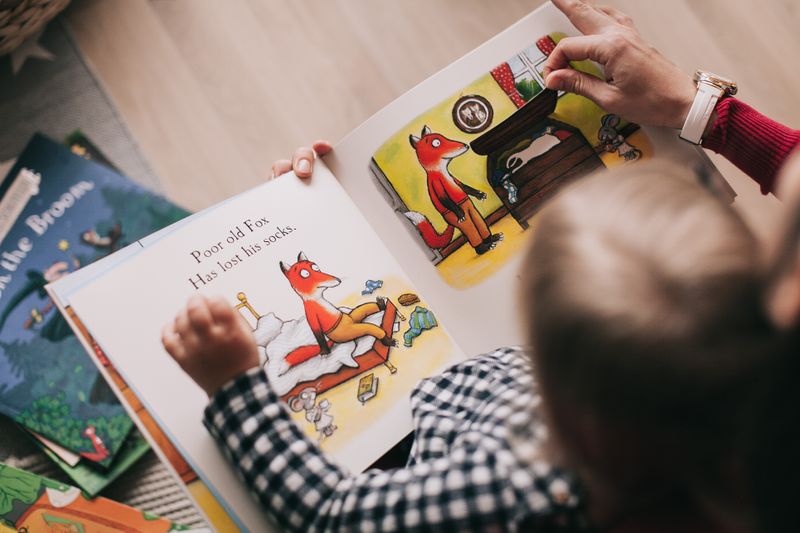
4. Read a Book Together
A doctor’s appointment is a great time to bring along a favorite book.
You can read:
- A short picture book
- A chapter book
- A funny book
- A seek-and-find book
- A book about going to the doctor
Reading together can help your child relax and gives you something to focus on while you wait.
If your child is nervous about the appointment, a book about visiting the doctor may also help make the experience feel more familiar.
5. Make Up a Story
You don’t even need a book to tell a story.
Take turns creating a story together. One person starts with a sentence, and the next person adds to it.
For example:
“Once upon a time, a penguin walked into a doctor’s office…”
Then your child decides what happens next.
This can be especially fun for preschoolers and elementary-age children. You can make the story silly, adventurous, or completely ridiculous.
6. Play “Would You Rather?”
“Would You Rather?” is an easy conversation game that can be played anywhere.
Try questions such as:
- Would you rather have a pet dinosaur or a pet dragon?
- Would you rather live in a treehouse or a castle?
- Would you rather eat only pizza or only pancakes for a week?
- Would you rather be able to fly or become invisible?
You can also create questions based on your child’s interests.
This is a fun way to keep kids talking and thinking while you wait.
7. Bring a Small Coloring Kit
Coloring is a classic waiting room activity for a reason.
Pack a small bag with:
- A mini coloring book
- A few crayons or colored pencils
- A small pencil case
A small coloring kit is usually easier to manage than a large box of supplies.
For younger children, chunky crayons can be easier to use. Older kids may enjoy colored pencils or a small sketchbook.
8. Play a Word Game
Word games are easy to play without any supplies.
Try:
Alphabet Game
Choose a category, such as animals or foods, and take turns naming something for each letter of the alphabet.
Name Five
Ask your child to name five:
- Animals
- Foods
- Movies
- Books
- Things that are red
Rhyming Game
Choose a word and take turns thinking of words that rhyme with it.
These games are great for older preschoolers and school-age children.

9. Pack a Small Fidget Toy
A small fidget toy can be especially helpful for children who have difficulty sitting still or who feel anxious before an appointment.
Look for something that is:
- Quiet
- Small
- Easy to clean
- Simple to use
Avoid anything with loud sounds or lots of tiny pieces that could easily get lost.
Affiliate opportunity: Quiet fidget toys and sensory toys are natural products to recommend for waiting rooms, travel, and restaurants.
10. Play “20 Questions”
Think of a person, place, animal, or object. Your child asks questions that can be answered with “yes” or “no” to figure out what it is.
You can adjust the game based on your child’s age.
Younger children may need more clues, while older children can try to guess with fewer questions.
11. Bring a Small Puzzle
Puzzles are another excellent option for keeping kids occupied during a doctor’s appointment.
Good choices include:
- Small jigsaw puzzles
- Puzzle books
- Sudoku for older children
- Logic puzzles
- Maze books
- Magnetic puzzles
Magnetic puzzles can be especially useful because the pieces are less likely to fall on the floor.
12. Play a Counting Game
Look around the waiting room and choose something to count.
You might count:
- Chairs
- Pictures
- Windows
- Books
- People wearing a certain color
- Objects shaped like circles
For younger children, this can become a simple learning activity.
For older children, make it more challenging by asking them to estimate how many objects there are before counting them.
13. Create a “Things I See” Scavenger Hunt
Before your appointment, make a simple list of things your child might see in a waiting room.
For example:
- A blue chair
- A magazine
- A clock
- A plant
- A picture on the wall
- Someone wearing glasses
Your child can quietly look for each item.
For younger kids, you can simply make the list verbally. Older children can use a small notebook or printable checklist.
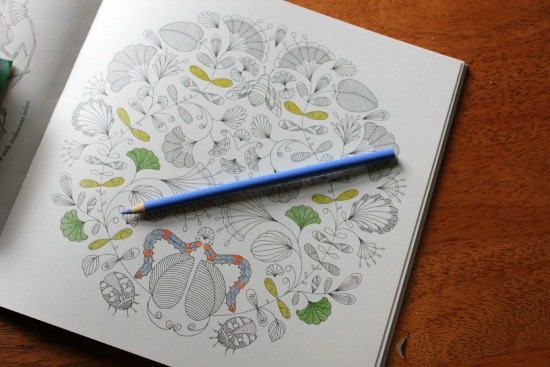
14. Let Your Child Draw
Bring a small sketchbook and let your child draw anything they want.
You can give them a prompt if they need inspiration:
- Draw your dream bedroom
- Design a new animal
- Draw a monster
- Invent a new superhero
- Design a robot
- Draw what you think is inside the doctor’s office
Drawing is quiet, creative, and easy to pack.
15. Play a Card Game
A small deck of cards can provide plenty of entertainment.
Depending on your child’s age, you might play:
- Go Fish
- War
- Crazy Eights
- Matching games
- Solitaire
For a doctor’s office, choose games that don’t require a large playing area.
A compact card game can also be useful for restaurants, travel, and other situations where kids need to wait.
16. Listen to an Audiobook or Podcast
If your child enjoys listening to stories, an audiobook or kid-friendly podcast can make the waiting time pass quickly.
This is particularly helpful if:
- Your child doesn’t want to sit and read
- You need a quiet activity
- You are waiting for a longer appointment
- Your child is nervous and needs a distraction
Headphones can help keep the activity quiet for everyone else.
17. Play a Memory Game
Look around the room together for a few seconds.
Then ask your child to close their eyes while you ask questions such as:
- What color was the chair?
- How many pictures were on the wall?
- What was on the table?
- What color shirt was someone wearing?
This is a simple memory game that requires no supplies.

18. Make Plans for Something Fun
If your child is waiting for a routine appointment, use the time to talk about something fun coming up.
You might discuss:
- What to make for dinner
- A weekend activity
- A family movie night
- A book you’re reading together
- A future vacation
- A fun family tradition
Talking about something positive can help take your child’s mind off the appointment.
19. Bring a “Waiting Room Bag”
One of the easiest ways to be prepared is to create a small waiting room activity bag.
You might include:
- A small coloring book
- Crayons
- A sticker book
- A small puzzle
- A quiet fidget
- A book
- A compact travel game
You don’t need to bring everything every time. The goal is to have a few reliable activities ready to grab when you need them.
A small zipper pouch or lightweight activity bag works well for keeping everything together.
20. Play “Guess the Animal”
Think of an animal and give your child clues.
For example:
- I live in the ocean.
- I am very large.
- I have a blowhole.
Your child tries to guess the animal.
Then switch roles and let your child give you clues.
This game works well for kids who enjoy animals, dinosaurs, ocean creatures, or other specific topics.
21. Practice Breathing Games
If your child is nervous about visiting the doctor, a simple breathing activity may help them relax.
Try pretending to:
- Smell a flower, then blow out a candle
- Slowly inflate a balloon
- Blow bubbles
- Smell hot chocolate and cool it down
Keep it playful rather than making it feel like a formal exercise.
This can be especially helpful before an appointment that your child finds stressful.
22. Play “What Comes Next?”
Start a simple pattern and let your child figure out what comes next.
For example:
- Clap, tap, clap, tap…
- Red, blue, red, blue…
- Animal, food, animal, food…
Older children can create increasingly complicated patterns for you to solve.
It’s a simple way to practice logic and observation while waiting.
23. Use a Small Dry-Erase Board
A small dry-erase board can provide plenty of entertainment.
Kids can:
- Draw pictures
- Practice letters
- Write silly sentences
- Play tic-tac-toe
- Create mazes
- Play hangman with older children
A compact board is easy to wipe clean and reuse.
24. Play Tic-Tac-Toe
All you need is a piece of paper and a pencil.
Tic-tac-toe is quick, quiet, and easy to stop at any time when your name is called.
You can also try:
- Dots and boxes
- Hangman
- Simple word searches
A small notebook can become a useful waiting-time activity book.
25. Give Your Child a Special “Waiting Activity”
Sometimes the best way to keep kids interested is to save something special for appointments.
This might be:
- A new activity book
- A new sticker book
- A small puzzle
- A special coloring page
- A new book
- A quiet travel game
You don’t need to buy something new for every appointment. You can simply rotate activities so that your child doesn’t see the same items every time.
Tips for Keeping Kids Entertained at the Doctor’s Office
Choose Quiet Activities
A waiting room is a shared space, so quiet activities are usually the best choice.
Pack Small Items
You don’t need a full backpack of toys. A few carefully chosen activities can be enough.
Avoid Activities With Lots of Loose Pieces
Small pieces can roll under chairs or be difficult to clean up quickly.
Bring Something for Different Moods
Your child may want to color one day and read the next. Having a few different types of activities gives them options.
Consider Your Child’s Age
A toddler, preschooler, and 10-year-old will need very different activities. Choose items your child can use independently when possible.
Have a Plan for Long Waits
Even if you expect the appointment to be quick, it can be helpful to bring enough activities to last longer than expected.
Create Your Own Doctor’s Appointment Activity Kit
A small waiting room kit can make appointments much easier.
Start with a small pouch or bag and add a few items your child enjoys. You might include:
- One book
- One activity book
- A small coloring set
- Stickers
- A quiet puzzle
- A small fidget toy
- A compact game
Keep the kit ready to go so you don’t have to search for activities every time you have an appointment.
You can even create different kits for different ages or rotate the activities every few weeks to keep them interesting.
Final Thoughts
Waiting for a doctor’s appointment doesn’t have to mean listening to your child repeatedly ask, “How much longer?”
With a few simple activities, you can make the time more enjoyable and help your child stay calm and occupied. From coloring books and puzzles to word games, books, and quiet travel toys, there are plenty of ways to keep kids entertained without relying on a screen.
The best part is that many of these activities can be used anywhere your family has to wait—at restaurants, airports, appointments, or while traveling.
A small activity bag packed ahead of time can quickly become one of the most useful things in your parenting toolkit.
More Family Activity Ideas
If you’re looking for more ways to keep kids entertained, you may also enjoy:
- Best Travel Games for Kids
- Road Trip Activities for Kids
- Things to Do When Kids Are Bored
- Easy Activities to Pack for Family Travel

Welcome to In Our Spare Time, your go-to source for family-friendly fun. Discover honest reviews, entertaining articles, and fresh ideas for making the most of your free time with younger kids. From games, movies, and books to family activities and seasonal adventures, we help parents find simple ways to create memorable moments together.